TDOA 5
Drone Defense System
PROFILE
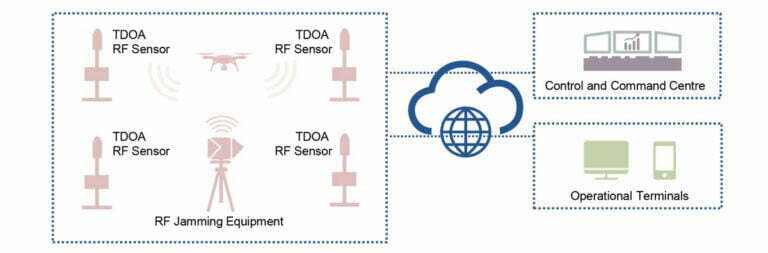
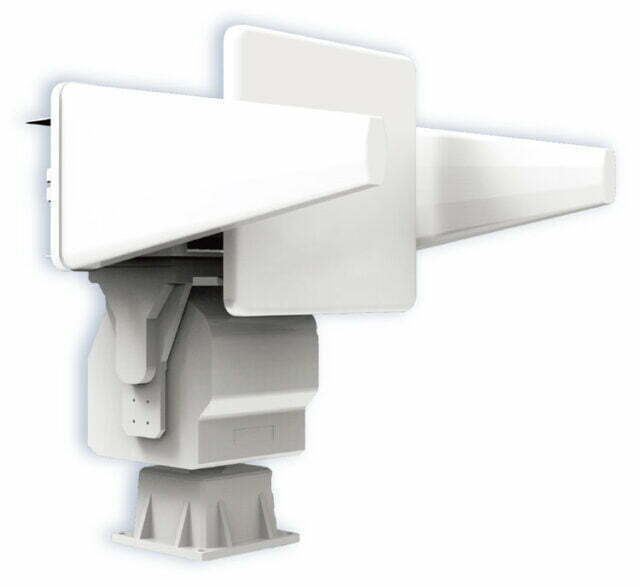
A standard TDOA 5 consists of 4 TDOA RF sensors and 1 radio jammer. The system features UAV detection and identification, location, tracking and countermeasure. It is highly scalable to freely expand to consist any number of TDOA RF sensors and radio jammers.
The system can detect and identify drone signals. Multiple RF sensors can be networked flexibly to locate the signal source via TDOA algorithm.
Based on the location results, the system autonomously links one or more radio jammers to automatically transmit jamming signals to effectively cut off the drone’s communication commandor navigation link, thus drive away or force it to ground.

FEATURES
Six-in-one
Drone detection, classification, location, tracking, countermeasure, strategy planning
TDOA passive RF detection
Passive technology, no signal emmision, highly covert
Multi-layer defense strategy
Multiple defense layers customizable
Autonomy
Autonomously links detection to countermeasure, few artificial intervention required
Able to ID DIY drones
Able to identify DJI and non-DJI drones with low false alarm rate
Super-wide spectrum coverage
Coverage: 100MHz – 6GHz
Multi targets
Multiple drone targets identification, tracking and countermeasure with realtime drone trajectory displaying
Wide coverage
Can network to seamlessly cover a mega city
List
Able to identify cooperative and non-cooperative drones
SPECIFICATIONS
DETECTION
Work Mode
Passive TDOA RF detection and location
Targets
Drone image-transmission link
Location precision
∼ 20m
Number of targets
10+ (simultaneously)
Frequency
100Mhz – 6GHz
Coverage
4 sensors network covers 4 – 15 km2 (varies due to drone models and environment)
False alarm rate
< < once per day
COUNTERMEASURE
Work Mode
RF jamming
Time to response
4s
Targets
Control and GNSS signals
Frequency
Typical drone frequency, including 900 MHz, 1.5 GHz, 2.4 GHz, 5.8 GHz
Coverage
1 jammer covers 1 – 5 km2 (varies due to drone models and environment)
APPLICATION SCENARIOS
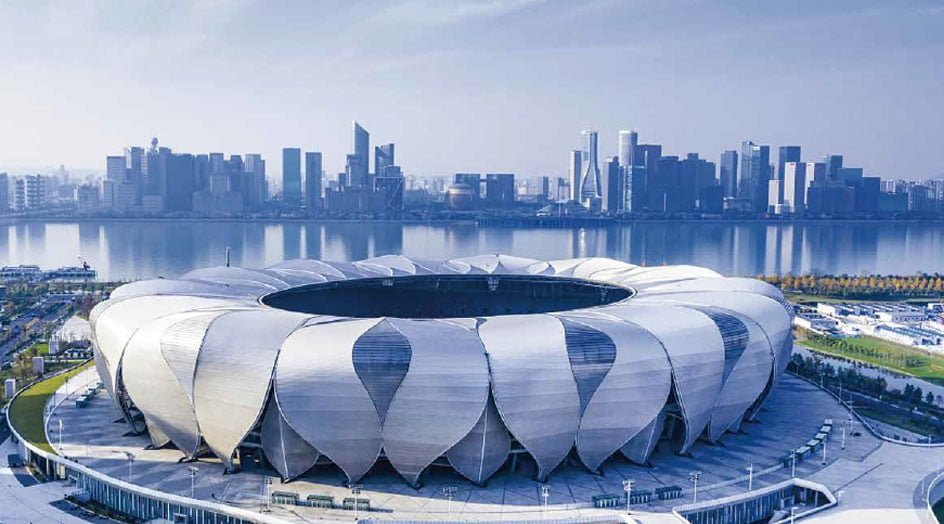
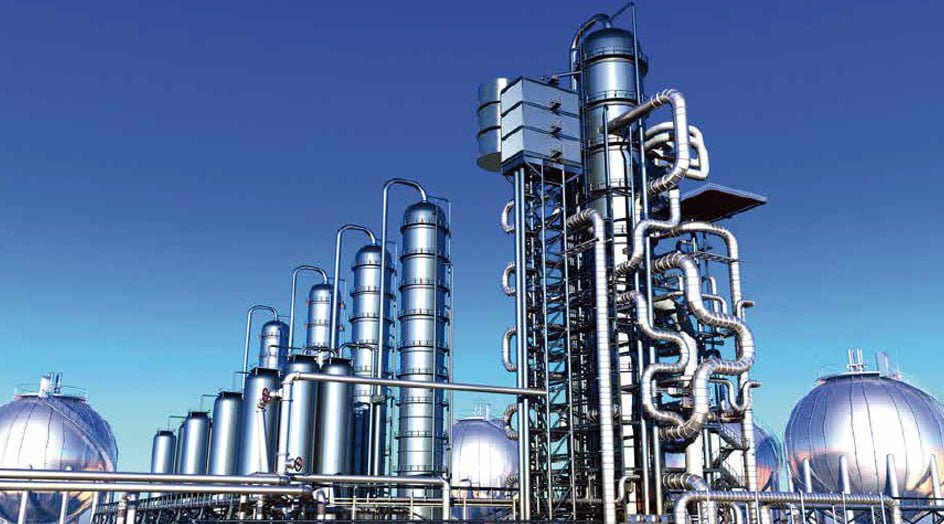
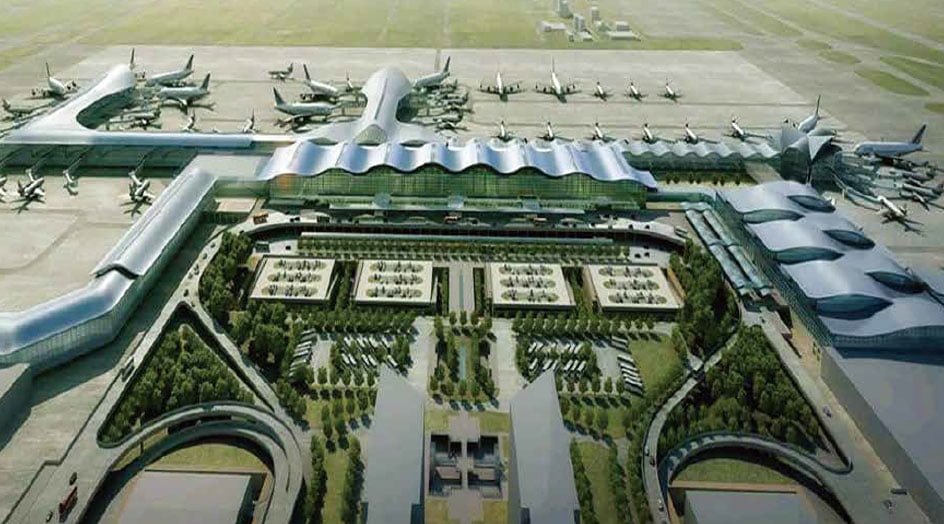
Suitable for the protection of critical facilites, major events, petrochemical parks, railways, border control.